


#Interdisciplinary Knowledge #Connectionist #Liberal Arts #New Humanities #Arts and Sciences
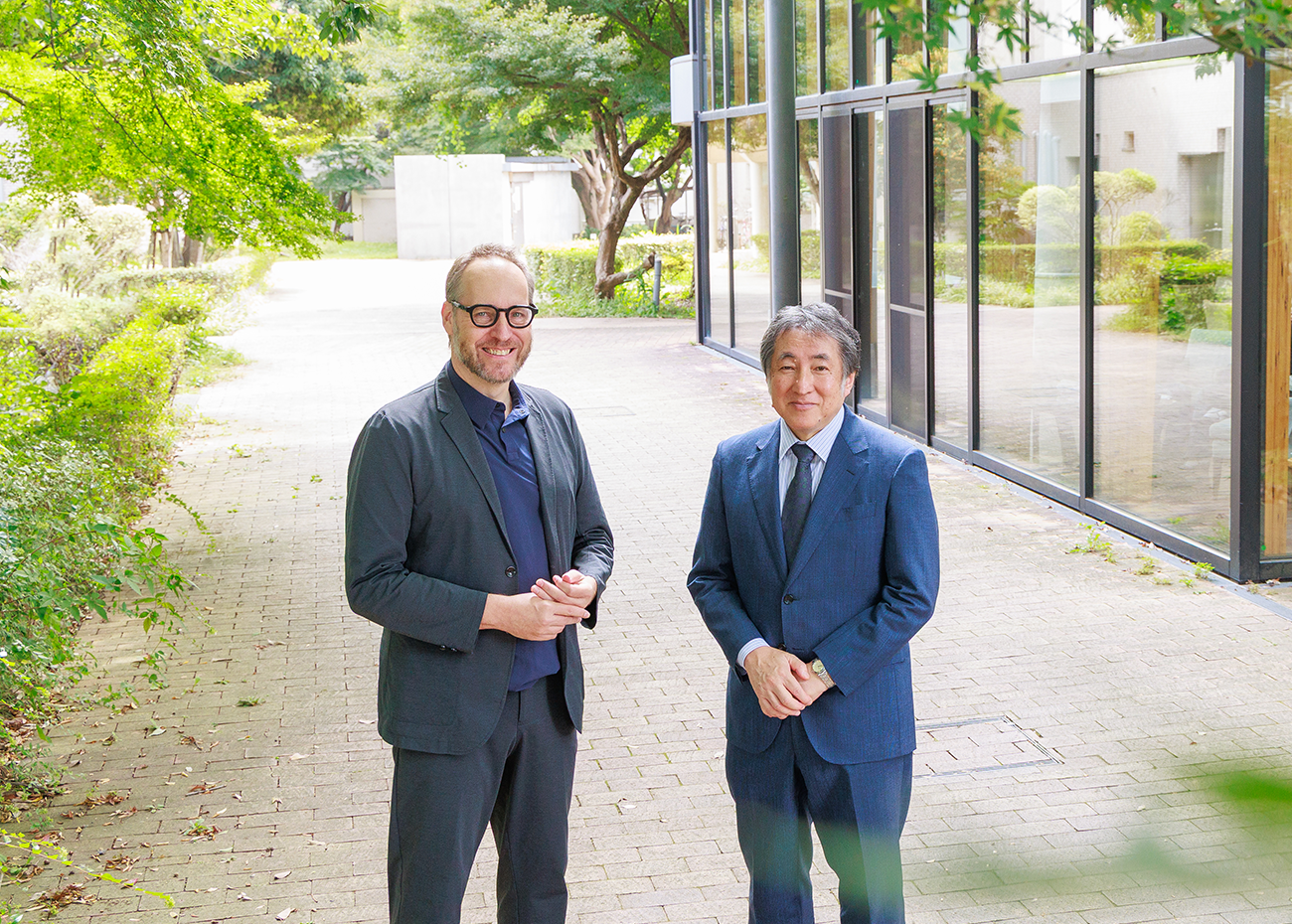
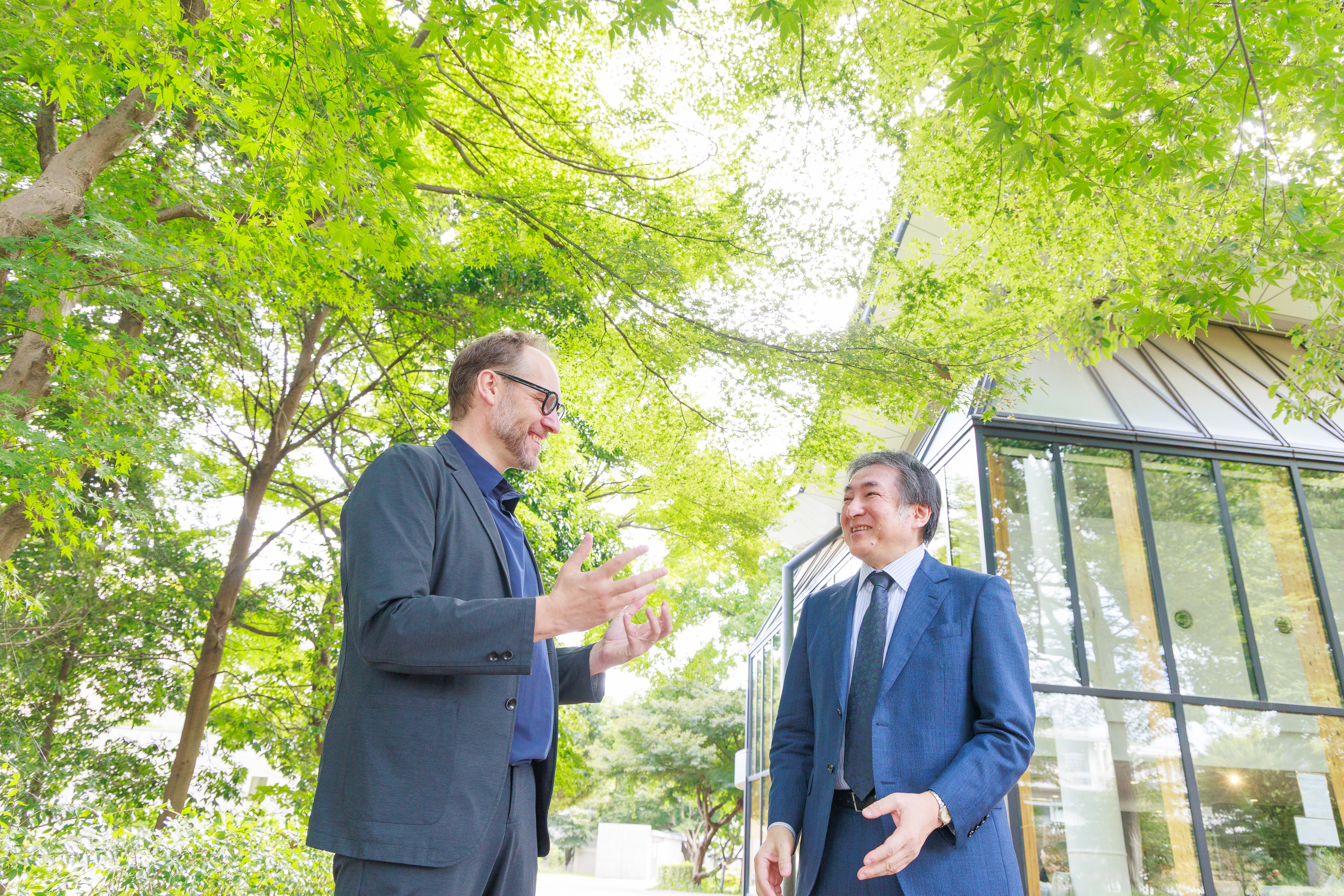
The Dialogue took place at ICU Mitaka Campus in November 2025.
The two scholars discuss integrative intelligence acquired through a learning process founded on the principles of a liberal arts education and the new humanities.*1
The world faces a wide range of global challenges, from climate change to complex and rapidly evolving social issues. In recognizing the deep interdependence between individuals and society, a renewed sense of hope is emerging for redesigning our existing social systems through integrative intelligence grounded in the synthesis of knowledge.
At the same time, fostering diverse forms of intelligence requires learners to take the initiative in their studies within an interdisciplinary environment that spans the humanities, social and natural sciences.
From this perspective, the liberal arts education at ICU—which literally spans the humanities, social and natural sciences—plays a pivotal role in cultivating a collaborative environment that fosters interdisciplinary, co creative intelligence dedicated to the well being of our planet.
Note: Honorifics have been omitted in the text.
Paragraph 01
How Connectionists Create Integrative Intelligence
「Integrative intelligence originally referred to the kind of intelligence required to address contemporary social challenges and for innovation. Rather than remaining confined within traditional academic or professional silos, it allows a person to synthesize insights across diverse aspects such as nature, humanity and society to make logical judgements. It also denotes the gathering of diverse forms of reflective capacities to generate new value—the generative power of knowledge. How do the two universities grasp integrative intelligence?
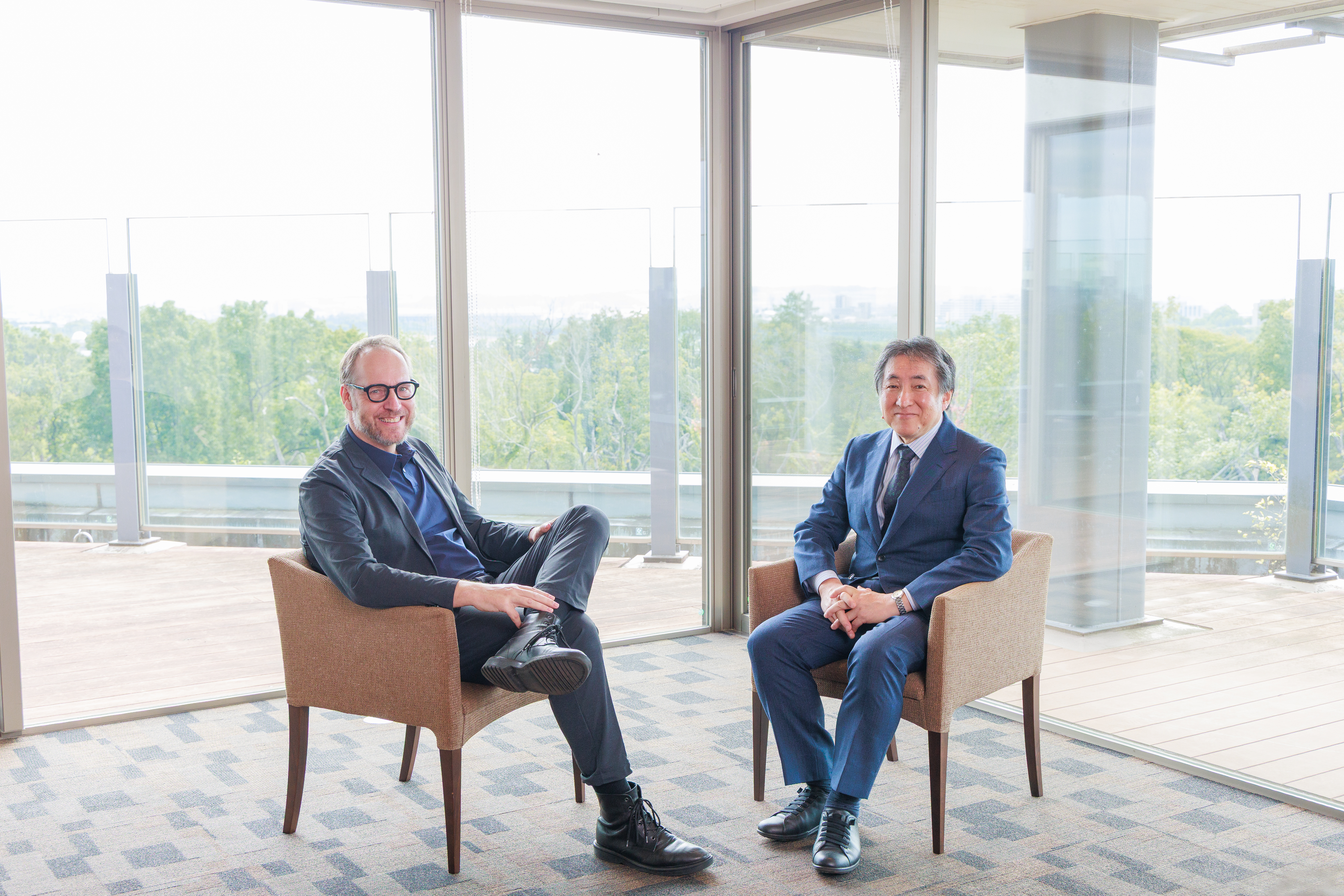
Lauwereyns: In the modern world, we see a growing number of problems that cannot be solved by specialists relying solely on their own narrow fields of expertise. Clear examples include environmental degradation, poverty, and challenges related to the revitalization of local communities. Solutions can only emerge when specialized expertise is complemented by knowledge from other fields. This is precisely where the idea of integrative intelligence becomes essential—a concept increasingly emphasized by the Japanese Ministry of Education, Culture, Sports, Science and Technology and other organizations. It is often taken to mean comprehensive knowledge, but that interpretation imagines a superhuman figure mastering every specialized domain—an expectation far beyond what is feasible.
When we move across multiple fields in search of solutions, should we rely on generalists with broad, cross disciplinary knowledge, or on specialists who can also foster collaboration? In any case, cultivating individuals with this cross disciplinary capacity remains a significant challenge.
Given this background, Kyushu University’s School of Interdisciplinary Science and Innovation (ISI) has introduced a new professional archetype—the connectionist—as a model for individuals capable of realizing integrative intelligence. Our aim is to cultivate specialists with the expertise to connect diverse fields, disciplines, and teams.
Iwakiri: I see. ICU is similar in that it upholds a policy that encourages students to maintain a broad, cross disciplinary scope in designing their learning paths and for coursework, and carry this integrative stance into their future careers. However, we do not use the term connectionist. I don’t think it is used very often in Japan.
Lauwereyns: The term itself is still uncommon—not only in Japan but internationally. Yet today’s major social challenges, from climate change to pandemics to conflict, are profoundly complex and multifaceted. No single discipline can generate adequate solutions on its own: what we need is integrative intelligence. Connectionists are essential to making this possible, but there is currently a significant shortage of such specialists.
Iwakiri: At ISI, do students acquire the basic competencies associated with a connectionist within the four year program?
Lauwereyns: Yes. They begin with Project Based Learning (PBL)*2, where they cultivate the foundational mindset required of connectionists.
Looking back, when we were in our twenties, the world felt peaceful. We could devote ourselves to our studies without paying much attention to what was happening in the real world, because we didn’t yet see global problems as our own. In a sense, we had the luxury of living like philosophers.
Today, the issues facing the world feel unmistakably like our own, so students approach them with a far greater sense of seriousness.
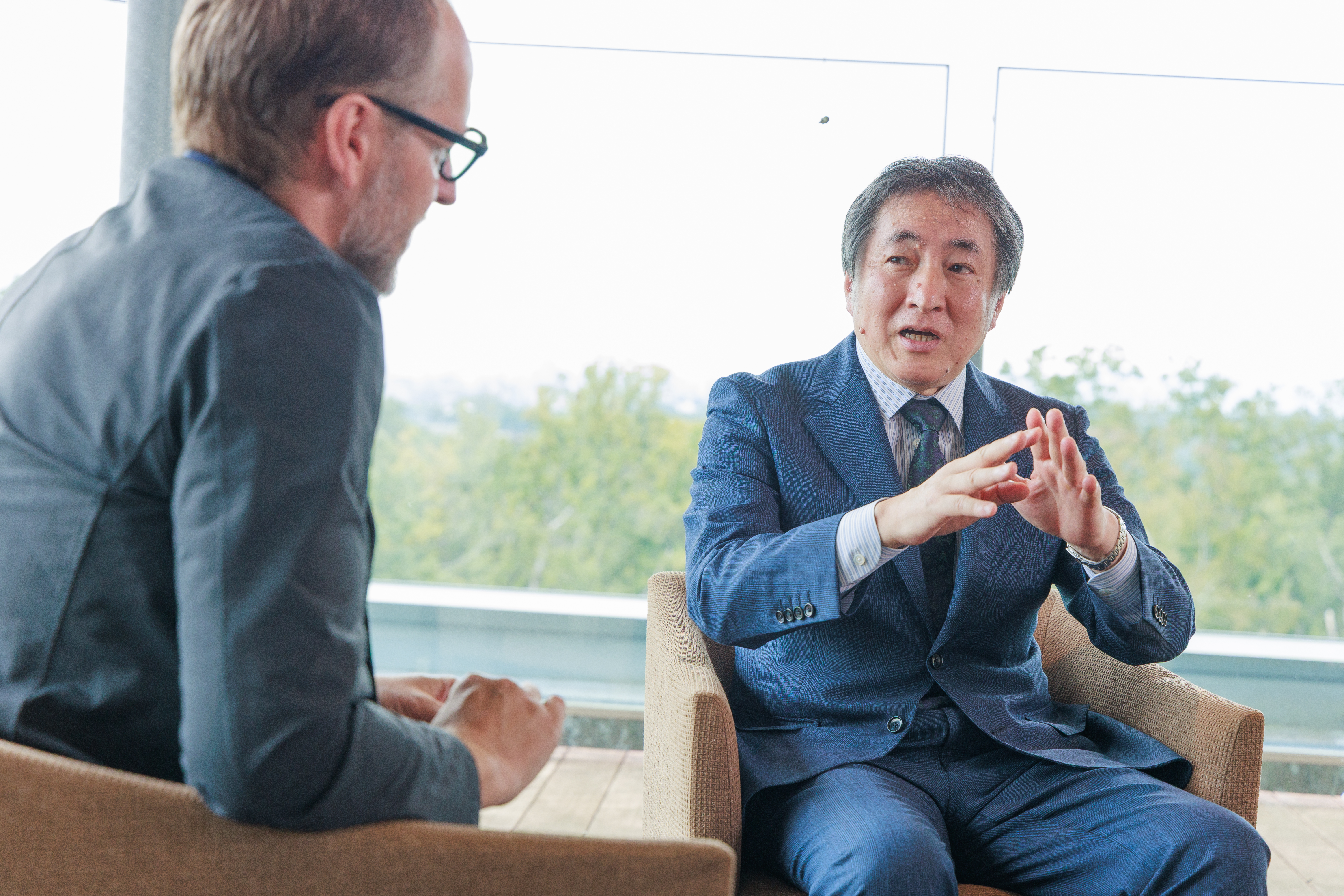
Iwakiri: Although I see similarities with the liberal arts we offer at ICU, your system functions with a different underlying stance and organizational framework.
I say to high school students whenever I have the opportunity that, at ICU, students are free to explore the humanities, social sciences, and natural sciences as they wish—but this does not mean we expect them to become modern day Leonardo da Vincis. The liberal arts are not designed to produce geniuses who master science, art, and engineering all at once. Students choose a major and develop expertise in a particular field, yet they study alongside classmates whose academic backgrounds differ widely. When they come together to work on a project, someone who can bring the team together becomes essential. In this sense, we are moving in the same direction as ISI.
In the case of ICU, students have two years to choose their major. Even after selecting a field of specialization, they remain free to study beyond the boundaries of that major. Guided by their own interests, they can step outside their disciplinary fence and connect the dots they acquire across different fields. The starting point of the learning process is grounded strictly in students’ own interests and their inquiries into the world.
Meanwhile, based on what I have heard about ISI today, let us imagine a situation in which integrative intelligence and connectionists are needed after a natural disaster. It would be easier to understand your approach if you were training connectionists specifically for the particular challenges you face—but that is probably not the case. When students engage in PBL, they have not yet chosen their specialty.
Lauwereyns: Our system is similar to that of ICU, as students spend the first two years exploring which field they wish to pursue. During this period, they focus on developing essential skills such as data analysis and communication, and also study abroad.
Students begin working on their Degree Project (DP, equivalent to a senior thesis at ISI) in their junior year. They select an issue that genuinely interests them and investigate both its underlying causes and potential solutions. I currently supervise several undergraduate students on their DPs. For example, one project examines sleep disorder and explores ways to address SNS overuse to see if that is a contributing factor. Students analyze the problem, gather relevant information, compare effective and ineffective treatment cases, and consider possible support systems.
Iwakiri: At ICU we adopt PBL in courses such as environmental studies, but the specific approach is left to the faculty member responsible for each course. Our methods therefore vary depending on the discipline and instructor. Despite the similarities, Kyushu University does not conduct all courses through PBL. From this perspective, I feel ISI and our liberal arts program share more in common than with Kyushu University as a whole.
Lauwereyns: That is the strength of ICU: the entire university operates under a unified concept. This coherence benefits students as well as faculty and staff.
※1…New Humanities: New Humanities are contemporary approaches that expand the traditional humanities to address today’s technological and societal transformations, by integrating new perspectives and methodologies.
Actual examples include digital humanities, AI, big data, media studies, and cultural studies. The concept builds on the humanities’ deep understanding of the human experience and culture, extending it to encompass technological advances and evolving social conditions to generate new forms of insight and value.
※2…Project Based Learning(PBL): an educational approach increasingly recognized for its problem solving orientation and active learning design, which cultivates autonomous learners
Paragraph 02
Becoming Human Through Integrative Intelligence
What does it mean to be human? Liberal arts education proposes a way of learning that enables human beings to live better, more meaningful lives, cultivating a mindset that understands that we live within a world that encompasses all.
Iwakiri: ICU offers 31 majors in a single College and Division. Students can take courses in any field. Disciplines are grouped into the humanities, social sciences, and natural sciences—three broad spheres of human life that students engage with as they cross and transcend established boundaries.
In the natural sciences, we have the objective world. The physical world we discover and analyze unfolds independently of human emotions. But within it lies the social realm—the world humans create together. Collective life takes shape through human relationships, and thus cannot be understood by structural analysis alone. We must also attend to how people think, the values they hold, and the way those values evolve over time within different communities and nations.
We also have the humanities, founded on human imagination, the subjective world, such as philosophy, literature and the arts. Humans are human because they possess a personal perspective: this subjective viewpoint is fundamental to our nature. Our judgments can appear to lack objectivity, shaped instead by the values and expectations of the society around us. This is why it is essential to cultivate an awareness that we inhabit subjective, objective, and social worlds simultaneously. We should choose our field of study with this understanding in mind.
My specialty is literature, with a particular focus on poetry and theatrical works. Your specialty is psychology, neurophysiology and cognitive neurology. But you’re also a poet. In fact we have been friends for quite a long time.
That is to say that since the world can be understood in multiple ways, it matters that we grasp how a sociologist would interpret certain situations, even if sociology is not your own discipline. When confronting a problem, it is equally important to recognize that assembling a particular constellation of people may itself reveal a solution. Innovation emerges through the act of connecting. The university’s engagement with the wider world is equally significant. Yet research also rests on creativity, as researchers are guided foremost by curiosity rather than immediate gain. This is what ties the pursuit of new knowledge to the university, and why we must continue to sustain and integrate this creative work.
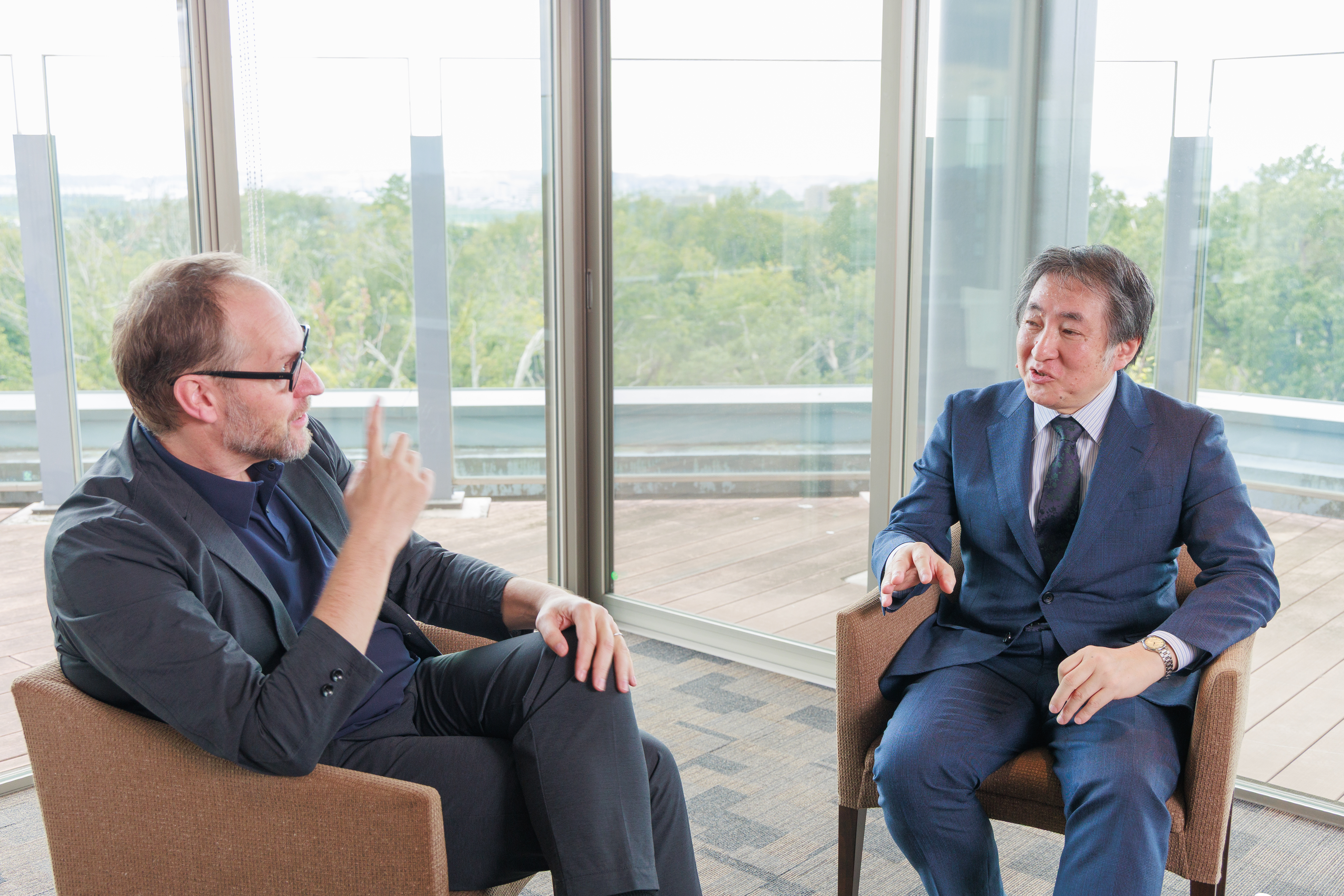
Lauwereyns: I agree. Personal perspectives are indispensable because they generate diversity and creativity. It will be important to broaden the horizons of innovation by embracing them.
Iwakiri: ICU’s founding mission is to nurture peacebuilders, yet we have recently turned our attention more fully toward reconciliation. Even when peacebuilding succeeds and former adversaries appear to coexist, the deeper question endures: can those marked by wounds and trauma truly come to understand one another? How do people transcend the negative emotions that arise from conflict? The task is far from simple. It is not merely an inner struggle within a person, but a challenge that extends into the fabric of society itself.
In learning, we must engage with both the sciences and the arts, and give equal importance to objective and subjective ways of understanding. This is where it becomes essential to recognize that human beings exist among diverse perspectives.
Paragraph 03
The University’s Role in Experience Design
How do universities create a learning environment that forms the foundation for integrative intelligence? Students draw on their college experience for their future growth. In a rapidly changing society, universities must provide even more opportunities for meaningful experiences.
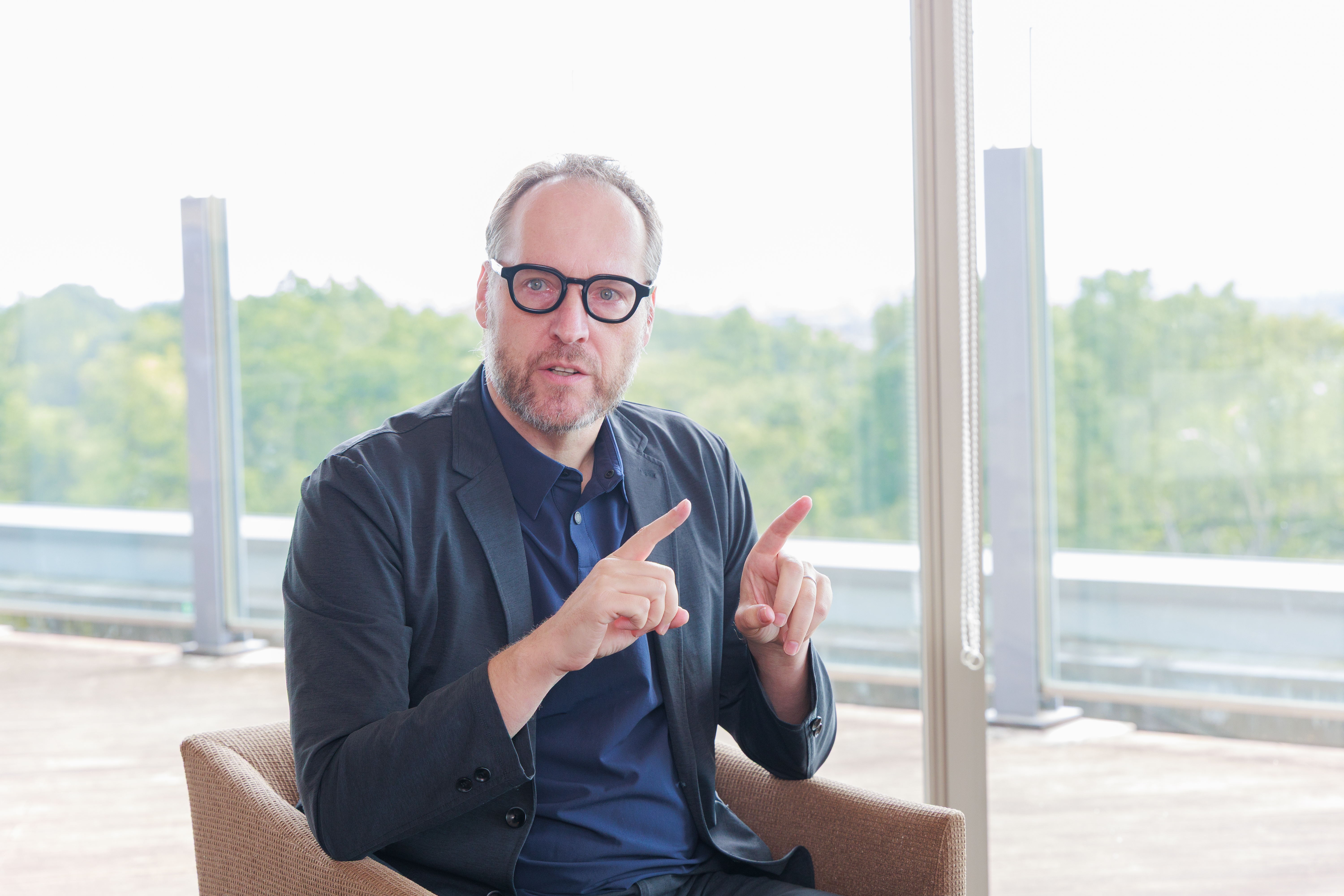
Lauwereyns: At ISI, we plan to create more opportunities for our students to interact with their peers in other departments, for their growth. Freshmen who have not yet chosen a specialty may feel unsure about where to begin when they are asked to “design a project by gathering specialized information on a certain topic.” In our university wide courses, ISI students work together on projects alongside peers from departments such as agriculture and engineering, where specialization has already begun. Through this collaboration, they gain exposure to a focused discipline.
Beyond the curriculum, experiential learning plays a crucial role in fostering student development. Providing opportunities for study abroad and collaboration with external stakeholders is indispensable. Study abroad is compulsory for ISI students, but some find it challenging to select a research theme when required to do so independently. Consequently, faculty members take an active role in shaping structures that support a purposeful and coherent study abroad experience.
We are currently developing a cascade model*3designed to expand student potential through their study abroad experience in three successive stages.
In the first stage, freshmen take collaborative online international learning (coil) courses with students abroad. For example, I lecture on the theme of the “Future of Food,” in a collaborative project with a university in Mainz, Germany. Freshmen interested in this theme will work together with the Mainz students online, much like a shared course.
The second stage is the onsite visit for sophomores and juniors. It is a short term program: students from Mainz will visit Kyushu University, or our students will visit Mainz. The final stage will be a longer study abroad placement in destinations such as Mainz—typically six months to one year. Students engage with thematic areas such as the “Future of Food,” through multiple stages and international exchange.
Iwakiri: The program starts with online engagement, culminating in an in person component. Each stage offers a distinct level of interaction and experiential depth.
Personal perspectives are grounded on the experiences a person accumulates. Within university learning, it becomes essential to consciously cultivate and internalize these experiences. We attach great importance to designing an academic program in a way that enables students to engage deeply with their own learning, allowing these experiences to take root. Study abroad experiences at our institution are not confined to online interactions; they include both inbound and outbound student mobility. The human experiences students gain within each learning environment cannot always be captured through numerical indicators, yet these experiences carry profound educational value in their own right.
It is essential for educational organizations to recognize this. Universities, in particular, must articulate a clear and integrated philosophy that defines what they regard as fundamental to the formation of their students.
Lauwereyns: It is, in fact, a core responsibility of universities to provide students with the opportunity to shape and design experiences of this nature.
Iwakiri: At ICU, study abroad is not compulsory. Many of our students are already returnees or have had some form of overseas experience, so some naturally question whether they need to study abroad at all. Others may simply prefer to remain in Japan and focus on their studies here.
Our study abroad programs are diverse, ranging from language focused options to academic exchange programs. In the latter, many students study their specialty at partner universities overseas. For example, a welfare studies student may choose to study in Sweden, while a physics student may pursue their field in California. Many seek to deepen their academic expertise abroad, while others may wish to explore a broader range of regions depending on their interests.
In our service learning program, students can participate in both domestic and overseas sites. An example abroad includes studying issues surrounding cacao bean production in Indonesia—examining human rights, social structures, environmental impact, and business practices. Although the notion of ‘service’ is rooted in Christian thought, it is not simply volunteer work. Rather, it is a structured curriculum designed to foster learning through meaningful engagement with local communities. It may not resemble traditional academic learning, but it offers students a deeply human experience in international and social contexts. We encourage them to step into environments entirely different from their daily lives, trusting that such immersion will spark new insight and discovery.
As a university, we believe in providing a broad array of programs that support each student’s individual interests and their experiential learning opportunities.
Lauwereyns: That is very important. At Kyushu University, students can opt to pursue their studies in that direction in addition to the cascade system.
Iwakiri: Your extensive career and diverse regional background exemplify how lived experience transforms into knowledge.
Lauwereyns: Perhaps, yes(laughs).
※3…Cascade model: a step by step progressive development of a given process
Paragraph 04
Expectations for Future-Oriented Learning that Cultivates Intelligence and Creativity
The two universities, each with their own distinctive educational program, offer a unique vision of learning. Yet it can be difficult to gain broad understanding for forms of instruction that diverge from conventional academic models. At the same time, many high school students who seek greater autonomy in their studies hold strong expectations for a more flexible and liberal educational environment.
Iwakiri: ICU presents itself as the College of Liberal Arts with a single Division of Arts and Sciences. In our outreach to high school students, we redefine the arts and sciences as an outline of the liberal arts.
This understanding comes from returning to the etymology of science—an endeavor to know. When your interests lead you to the discovery of something previously unknown to the world, you must then transform that insight into a form that others can understand. That act of translation is an art. Writing a thesis, for example, is an art because it requires skill: the ability to articulate what you have found and to communicate it in language accessible to others. This is how we interpret the arts and sciences.
Lauwereyns: I can understand this interpretation of the arts and sciences, because their etymological origins draw us toward the impulses of doing and knowing.
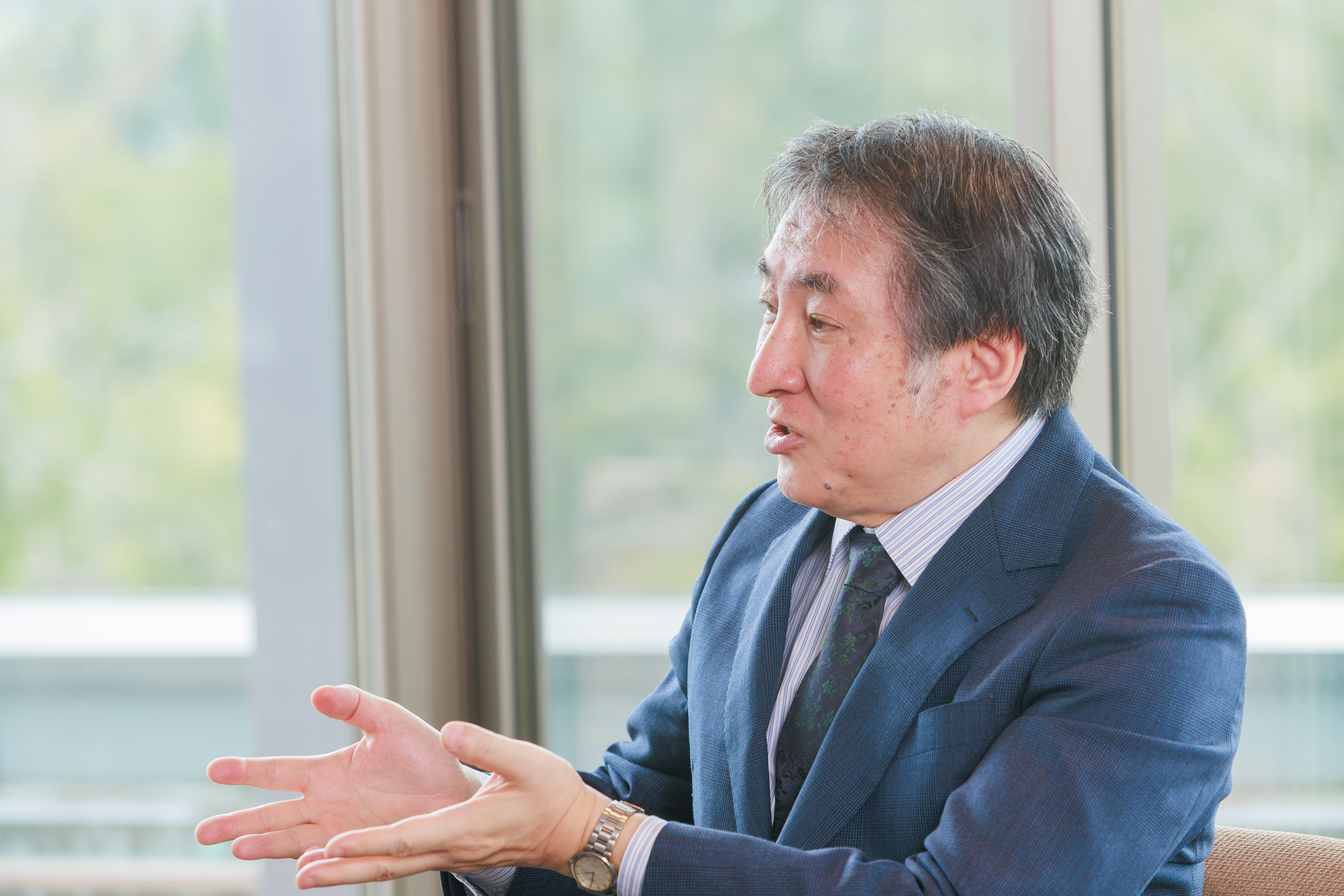
Iwakiri: Since the modern era in Japan, the arts and sciences have often been treated as separate domains, yet their origins are profoundly intertwined. Even Newton’s achievements are a blend of mathematics and philosophy. When I speak with high school students, I encourage them to embrace both what we inherit from the past and the new ideas that continue to emerge.
In recent years, ‘liberal arts’ has gained renewed attention: many students enter ICU in the hope of finding an open, liberal environment and meaningful opportunities for personal growth. Yet this does not necessarily mean they already understand what a liberal arts education truly entails.
In the case of ISI, how do high school students understand the vision that guides your approach to learning? What expectations do applicants commonly bring with them?
Lauwereyns: Because we offer something new, we must be especially attentive to finding students who are genuinely interested in what we offer. Some arrive with a clear sense of the field they want to pursue, which often surprises us. Others come without the slightest idea of what they want to study, since ISI does not have the immediately recognizable subjects typically associated with faculties such as agriculture or engineering. Yet once they enter and begin their work here, they discover their own motivation and gradually start to imagine the future selves they hope to become.
This is where the value of diverse experiences becomes essential. Students engage with a wide range of subjects, each encounter adding fine detail to their intellectual growth. The human experience stands at the center. For ISI students to truly inspire one another, it matters that around 30% of our campus community comes from abroad. This diversity creates an ideal environment for exchange and for encountering new ways of seeing and experiencing the world. High school students would better understand what life here offers if they could witness the growing autonomy and transformation our students undergo.
Paragraph 05
Individual Autonomy and Adaptive Empathy
What core values should ground the new humanities that engages directly with human beings? How must universities evolve to foster a society where individuals with differing values can understand and trust each other?
Lauwereyns: At ISI, our objective is to nurture connectionists, but doing so requires us to establish and spread recognition of the value of this emerging profession. I believe this articulates a vision for the university of the future as part of the new humanities, and will serve as our mission at ISI.
Iwakiri: Establishing the new humanities begins by engaging directly with human beings and moving beyond traditional academic boundaries so we can respond to the needs of a changing society. In this sense, we share a common purpose.
Some universities overseas seem to assume that the humanities do not lead to lucrative careers and are therefore dispensable. But a society that sidelines the humanities risks becoming something AI could easily imitate. In abandoning them, we risk losing the very qualities that allow humans to remain fully human. As information science continues to advance, we risk losing qualities once regarded as essential to being human. Eventually, we will face a deeper question: Why do human beings exist? Universities must be ready to answer this with clarity and conviction.
New discoveries and knowledge emerge only through human collaboration; without it, discernment itself cannot take shape.
Modern society is almost devoid of absolute standards. Instead, it is a world in which many values coexist. In a civil society, it is essential that people cultivate tolerance for perspectives different from their own. Which principles or commitments one adopts among the many possibilities is ultimately up to the individual—and this plurality matters. Yet if individuals choose only what benefits them and cling to their convictions in isolation, can a society genuinely flourish? Such conditions make conflict all but certain.
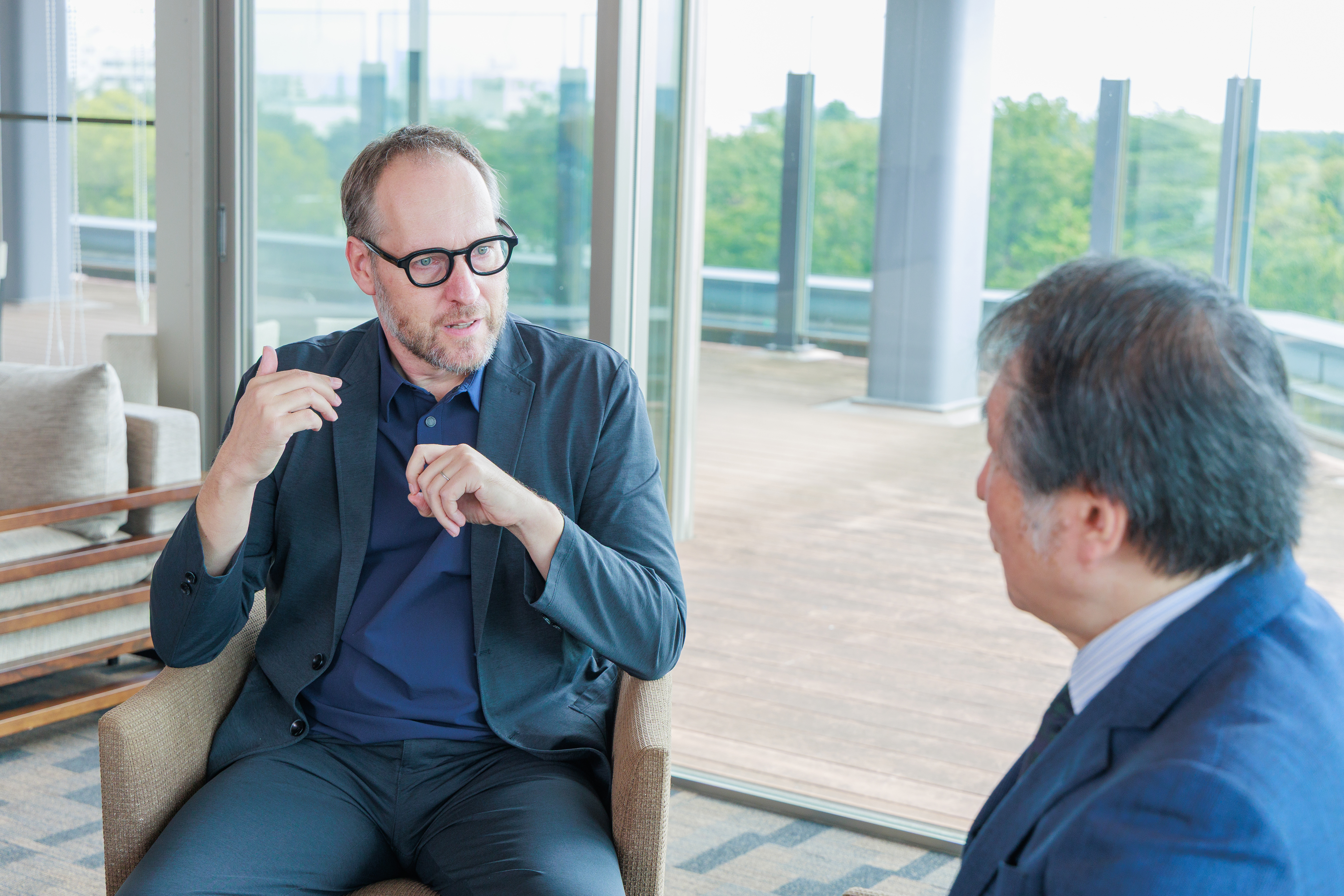
Lauwereyns: With kyo—sharedness and mutuality—in Kyoso Gakubu, the Japanese name for ISI, we recognize that striking a careful balance becomes essential when multiple values coexist.
I often speak of what I call the ‘zone of convergence’—a shared space for forming a consensus or compromise. Each stakeholder brings their own ideas, yet our first task is not to dwell on the points of conflict but to identify what we can agree on. From this initial area of alignment, we gradually expand outward. This process requires harmonizing differing opinions and balancing diverse values. The willingness to seek such a compromise through dialogue is, in many ways, an expression of trust in our common humanity.
Iwakiri: I may be straying from the main thread, but I first met Professor Lauwereyns at an international poetry festival. We met as poets from around the world, reading in our native languages—a truly open forum grounded in our shared belief in poetry.
We hold our own convictions dearly, without denying those of others. Still, what each of us cherishes is often not interchangeable, and this means we must find ways to adjust.
Lauwereyns: That is certainly true. The majority may agree, but not all will. Protecting minority positions is therefore essential.
【 Postscript 】
The Shared Vision of the Two Scholars on the Role of Global Standard Universities.
Every country has people with diverse backgrounds and abilities. Nobel laureates, for example, were able to realize their full potential precisely because they worked within research environments that met global standards. In this sense, higher education becomes the setting in which students’ potential is discovered, cultivated, and brought into meaningful dialogue with the world.
Both the liberal arts at ICU and Kyushu University ISI offer global-standard instruction within a wide-ranging and flexible learning environment to foster integrative intelligence. Their shared mission is to identify individuals capable of contributing on the global stage and to cultivate that potential.
Echoes After the Dialogue
The Wonder of Connected Understanding Leading to Integrative Intelligence
- Lauwereyns:
- From my undergraduate years to the age of thirty, I specialized in psychology, with a particular focus on visual perception. After coming to Japan, I pursued research in neurophysiology until the age of thirty five. Thereafter, my work shifted to cognitive neuroscience, alongside teaching courses such as Challenges and Innovation, Bioethical Science, and Bioengineering in Relation to Society. I became a connectionist around the age of forty.
- Iwakiri:
- You once gave me an academic book on physiology. It explained that, although the visual field appears seamless, it is in fact full of gaps—holes that the brain smooths over into a continuous plane. I find this kind of specialist knowledge compelling for my literary studies. It reminds me that what seems whole and connected is often, in reality, stitched together from fragments, with the mind doing the invisible work of making it appear complete. This awareness changes how I perceive what I see. When reading a novel, for instance, learning literary theory allows you to recognize plot devices you once overlooked. The text itself hasn’t changed, but your relationship to it has, altering the way it speaks to you.
- Lauwereyns:
-
I can no longer confine my thinking to a single discipline such as psychology, literature, philosophy, neuroscience, or economics. My mind moves across them almost instinctively.
At the university, I supervise a theatrical student group that seeks to contribute to science communication through dramatic expression of scientific concepts and research topics.
- Iwakiri:
- That sounds interesting. It's wonderful that university life offers students not only formal coursework but also a wide range of club activities. I serve as advisor to the ICU Musical Theater Troupe, and its members informed me that they intend to present an original production, complete with original music, at the university festival this year. Their ideas are genuinely fascinating.
- Lauwereyns:
- Yes, I agree. That is why I find it impossible to leave academia. I suppose I could move back to Belgium or the Netherlands and devote myself entirely to the life of a writer, but I know it wouldn’t be as fulfilling. At the university, students inspire me in countless ways, providing me with raw material for my poems, essays, and novels.
PROFILE
Johan Lauwereyns
Kyushu University Senior Vice President
Faculty of Arts and Science Division for Experimental Natural Science Professor
School of Interdisciplinary Science and Innovation Department of Interdisciplinary Science and Innovation
Graduate School of Systems Life Sciences Department of Systems Life Sciences
Professor Lauwereyns played a central role in establishing the School of Interdisciplinary Science and Innovation (ISI) in 2018, building on the foundations of its predecessor, the 21st Century Program. He established an interdisciplinary field of human life sciences, foregrounding bioethics as its foundational principle. He teaches psychology, cognitive science, and bioethics. He is also a well-known novelist, poet and essayist.
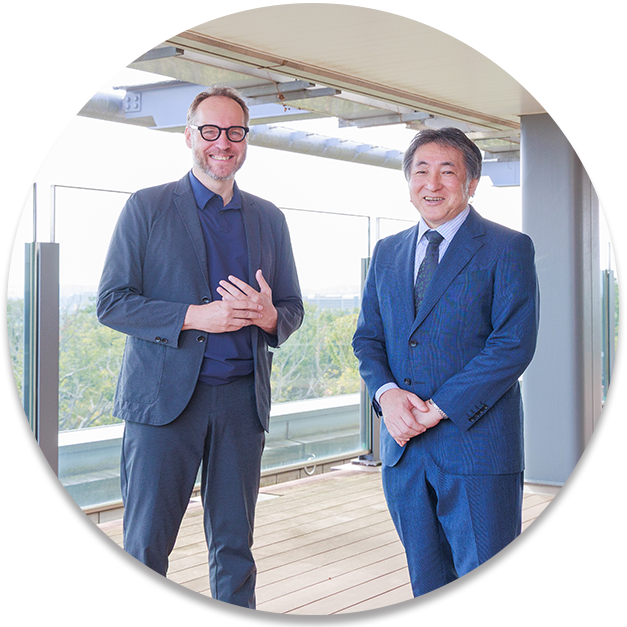
Shoichiro Iwakiri
ICU President
Professor Iwakiri specializes in French literature. He is also a poet. In 2008, he was awarded the 15th Yuasa Yoshiko Prize (Section of Drama Translation). He completed the Third Cycle and received a DEA from the Department of Science of Texts and Documents, Paris Diderot University (Paris 7). Prior to his appointment as President of ICU in April 2020, he served as Director of the Admissions Center and Dean of the College of Liberal Arts.